
Yapay Zekâ ve Medeniyetler Çoğulluğunun Geleceği

Güncelleme tarihi: 15 Tem
Birkaç ay önce, yapay zekânın önemli etik sorunlar doğurduğunu savunmuştum. Teknolojik ilerlemenin kendiliğinden insanlığın ilerlemesini sağlayacağı varsayımı, modern tarihte sıkça file getirilen bir düşüncedir. Bu anlayışın izlerine Aydınlanma düşüncesinin bazı kollarında da rastlanmıştır. Daha sonra, neoklasik iktisadın belirli yaklaşımlarında ortaya çıkmıştır. Bugün de yapay zekâ etrafındaki tartışmaların önemli bir bölümünü şekillendirmeyi sürdürmektedir. Ancak, yapay zekânın ortaya çıkardığı sorun etikle sınırlı değildir.
Bugün, giderek daha fazla önem kazanan bir başka temel sorun da bulunmaktadır: Yapay zekâ, insanlık tarihini şekillendiren kültürel ve medeniyet temelli çoğullukla bir arada var olabilir mi?
Yapay zekâ üzerine yürütülen tartışmaların büyük bölümü verimlilik, istihdam, hukuki düzenleme, eşitsizlik ve jeopolitik rekabet gibi konular etrafında dönmekte. Bunların hiç kuşkusuz ki önemi büyük. Önümüzdeki on yıllarda servetin, gücün ve fırsatların nasıl dağılacağı önemli ölçüde yapay zekâ ile belirlenecek gibi gözükmektedir. Ancak bu tartışmalar, daha geniş bir medeniyet meselesini büyük ölçüde göz ardı etmektedir. İnsanlık, yalnızca bilgi alışverişi yapmak için değil, bilgi üretmek, anlatılar kurmak, kültür oluşturmak ve anlamın kendisini biçimlendirmek için ortak bir teknolojik altyapıya giderek daha fazla bağımlı hâle geldiğinde ne olacaktır?
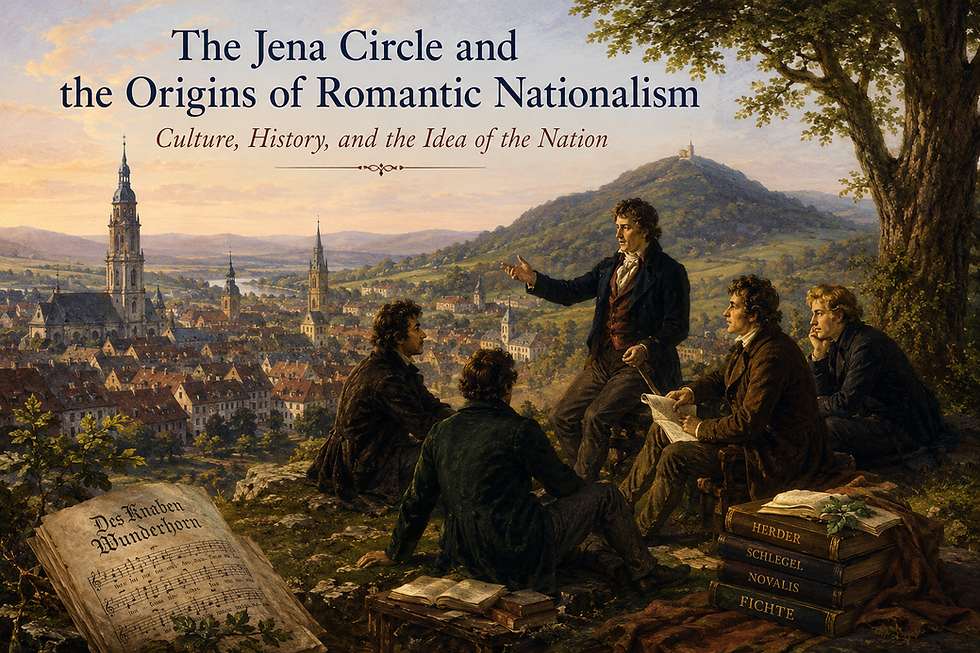
Bu soru, kökleri çok eskilere uzanan entelektüel bir tartışmayla yakından ilişkilidir. Aydınlanma, modern dünyayı dönüştüren son derece güçlü fikirler ortaya koydu. İnsan onurunun evrenselliği, yurttaşlık, bilimsel araştırma, hukuk önünde eşitlik ve aklın toplumu geliştirebileceği düşüncesi, Aydınlanma’nın en kalıcı mirasları arasında yer aldı. Bununla birlikte, Aydınlanma geleneği içinde yer alan bazı düşünürler zamanla soyut aklın tek başına yeterli olmadığını fark etmeye başladılar. 18. yüzyılın sonları ile 19. yüzyılın başlarında Jena ve Weimar çevreleri etrafında toplanan düşünürler, Aydınlanma evrenselciliğine yönelik en etkili eleştirilerden birini geliştirdiler.
Jena ve Weimar çevrelerinin düşünürleri Aydınlanma'nın içinden yetişmişti. Aydınlanma'nın entelektüel merakını, insanlığa duyduğu ilgiyi ve bilgiyi genişletme idealini paylaşıyorlardı. Ancak, Aydınlanma'nın temel varsayımlarından birini sorguladılar: İnsanların, tarihsel ve kültürel bağlamlarından bağımsız, soyut ve yalnızca akıl yoluyla hareket eden varlıklar olarak yeterince açıklanabileceği düşüncesi.
Johann Gottfried Herder, Johann Wolfgang von Goethe, Wilhelm von Humboldt, Friedrich Schlegel ve Novalis gibi isimlere göre insan, tarihinden ve kültüründen soyutlanmış akıl sahibi bir varlık değildir. İnsan, dili, kolektif hafızası, kurumları, gelenekleri, anlatıları, yaşadığı coğrafya, dinî mirası ve kuşaktan kuşağa aktarılan kültürel deneyimleri aracılığıyla var olur. Toplum ise, yüzyıllar boyunca biriken anlamların kültür ve kurumlar aracılığıyla nesilden nesile aktarıldığı tarihsel bir topluluktur.
Onların amacı evrensel insanlık fikrini reddetmek değildi. Amaçları, insanlığın tarih içinde şekillenmiş farklı kültürler aracılığıyla nasıl somutlaştığını anlamaktı.
Bu ayrım bugün de önemini koruyor. Modern küreselleşme, piyasaları, teknolojileri ve bilgi ağlarını tarihte benzeri görülmemiş ölçüde birbirine bağladı. Ancak bu süreç, medeniyetler arasındaki çeşitliliği ortadan kaldırmadı. Aksine, küreselleşmenin modern evresi çoğu zaman kültürel standartlaşmayı teşvik eden güçlü dinamiklerle birlikte ilerledi.
Küresel kapitalizm, uyumluluk, öngörülebilirlik ve ölçeklenebilirlikten beslenir. Ortak tüketim kalıpları, ortak teknolojik platformlar, ortak eğitim çerçeveleri ve ortak iletişim biçimleri, bütünleşmiş küresel ekonomide uyumsuzlukları azaltır. Buna rağmen, son küreselleşme çağında medeniyetler tek bir kültürel modele yakınsamadı. Muazzam bir teknolojik desteği arkasına aldığı halde.
Çin, kültürel olarak Batılılaşmadı. Hindistan, Avrupa'ya dönüşmedi. Türkiye, yalnızca Batı merkezli kategorilerle açıklanamayacak tarihsel sentezleri ve gerilimleri bünyesinde taşımayı sürdürüyor. Körfez ülkeleri küresel ekonomiye entegre olurken kendilerine özgü toplumsal ve kültürel yapılarını korudular. Küreselleşme, toplumlar arasındaki etkileşimi artırdı. Ancak, onları şekillendiren tarihsel gelişim çizgilerini ortadan kaldıramadı.
Pek çok bakımdan bu tablo, küreselleşmenin bazı modern kuramlarının öngördüğü kültürel yakınsama fikrinden ziyade Goethe'nin kültürler arası etkileşim anlayışını hatırlatmaktadır. Goethe'nin Weltliteratur (Dünya Edebiyatı) kavramı, kültürlerin birbirinin aynısı hâline geldiği bir dünya tasavvur etmiyordu. O, kültürlerin kendi özgün seslerini koruyarak birbirleriyle iletişim kurduğu bir dünya hayal ediyordu. Edebiyat, kendine özgü niteliğini terk ettiği için değil, onu ifade edebildiği ölçüde evrenselleşiyordu.
Yapay zekâ, bu tartışmaya yeni bir boyut kazandırıyor. Önceki teknolojiler esas olarak bilgiyi aktarmaya yarıyordu. Matbaa, metinleri çoğaltıyordu. Radyo, sesi iletiyordu. Televizyon görüntüyü aktarıyordu. İnternet, bilgiyi büyük mesafeler boyunca taşıyordu. Yapay zekâ ise, anlamın üretilmesine doğrudan katılıyor. Yazıyor, çeviriyor, özetliyor, yorumluyor, önerilerde bulunuyor ve yeni içerikler üretiyor. İnsanlık tarihinde ilk kez teknolojik bir sistem, küresel ölçekte kültürel üretimin etkin bir öznesi hâline geliyor.
Bu gelişme bizi teknolojinin çok ötesine uzanan bir soruyla karşı karşıya bırakıyor. Yapay zekâ gelecekte üretken emeğin önemli bir bölümünü üstlenir ve toplumlar evrensel temel gelir ya da istihdamdan bağımsız başka gelir modellerine yönelirse, temel mesele artık servetin nasıl üretileceği olmayabilir. Asıl mesele, anlamın nasıl üretileceği olabilir. Medeniyetler hiçbir zaman yalnızca kaynakların dağıtımını sağlayan yapılar olmadı. Kimlikler, anlatılar, yükümlülükler, idealler ve aidiyet biçimleri ürettiler.
Yapay zekânın geleceği, ne iktisatçıların ne de teknoloji uzmanlarının tek başına cevaplayabileceği bir soruyu gündeme getiriyor. İnsanlık eşi benzeri görülmemiş bir teknolojik bolluk çağına girerse, bundan nasıl bir kültürel dünya doğacak? Yapay zekâ, küresel kapitalizme sıklıkla eşlik eden kültürel standartlaşma eğilimini daha da güçlendirecek mi? Yoksa medeniyetler çoğulluğunu destekleyen, tarihsel hafızayı koruyan ve medeniyetler arasındaki diyaloğu genişleten bir araç hâline gelebilecek mi?
Bu soruya verilecek cevap, 21. yüzyılın tek bir algoritmik kültürün egemen olduğu bir dünyaya mı, yoksa tarihsel olarak farklılaşmış toplumlar arasında daha zengin ve daha derin bir küresel etkileşim biçimine mi yöneleceğini belirleyebilir.
Aydınlanma ve Evrensel İlerleme Düşü
Aydınlanma, insanlık tarihinin en dönüştürücü entelektüel hareketlerinden biriydi. Geleneksel otoriteleri sorguladı, bilimsel araştırmayı teşvik etti, bireysel hakları savundu ve bugün hâlâ modern toplumların temelini oluşturan birçok siyasal ve hukuksal ilkenin şekillenmesine katkıda bulundu. Vicdan özgürlüğü, anayasal yönetim, hukuk önünde eşitlik ve aklın toplumsal sorunlara sistemli biçimde uygulanması gibi fikirler bu dönemde güçlü birer düşünsel akım hâline geldi.
Aydınlanma'nın etkisi Avrupa'nın çok ötesine yayıldı. Haklar ve insan onuru üzerine geliştirdiği dil, dünyanın farklı bölgelerindeki sömürge karşıtı hareketlere, anayasal reformlara ve demokrasi mücadelelerine ilham verdi. Pek çok toplum Aydınlanma düşüncesini kendi tarihsel koşullarına ve kültürel geleneklerine uyarlayarak benimsedi. Bu nedenle, Aydınlanma döneminin kökleri Avrupa’da olsa da, yalnızca Avrupa'ya özgü bir olgu olarak görülemez. Zamanla insan özgürlüğünün ve siyasal meşruiyetin doğasına ilişkin küresel bir tartışmanın parçası hâline gelmiştir.
Bununla birlikte Aydınlanma, daha derin bir felsefi iddia da taşıyordu. Dönemin birçok düşünürü, aklın bütün insan toplumları için geçerli evrensel ilkeleri ortaya koyabileceğini düşünüyordu. Dil, din, gelenek ve görenek farklılıkları, bütün insanların paylaştığı ortak akıl yetisi karşısında çoğu zaman ikincil görülüyordu. İnsanlığın aklı, bilimi ve eğitimi benimsedikçe toplumların giderek benzer kurumlara ve ortak değerlere yaklaşacağı düşünülüyordu.
Bu beklenti Condorcet'nin eserlerinde açık olarak görülür. Fransız Devrimi sırasında kaleme aldığı çalışmalarında Condorcet, bilimsel bilgi ile akılcı düşüncenin cehaleti, hurafeleri, yoksulluğu ve baskıyı zamanla ortadan kaldıracağı bir gelecek tasavvur etti. Geçici gerilemeler yaşansa bile insanlık tarihi sürekli bir ilerleme süreci olarak görülüyordu. İlerleme, medeniyetin doğal yönü olarak kabul ediliyordu.
Immanuel Kant daha temkinli ve daha incelikli bir yaklaşım benimsese de, O da tarihin evrensel bir boyut taşıdığına inanıyordu. Ünlü Kozmopolit Bir Amaç Açısından Evrensel Bir Tarih Düşüncesi adlı denemesinde, insanlığın ilk bakışta düzensiz ve kaotik görünen tarihsel gelişiminin nihayetinde daha akılcı ve daha barışçıl bir dünya düzeninin kurulmasına katkıda bulunabileceğini ileri sürdü. Kant, insan aklının sınırlarının farkındaydı ve felsefi çalışmalarının önemli bir bölümünü bu sınırları incelemeye ayırmıştı. Buna rağmen, insanlığın ortak bir ahlaki yazgıyı paylaştığı düşüncesini korudu.
Bu düşünceler modern dünyanın şekillenmesinde belirleyici rol oynadı. Kalkınma, modernleşme ve küreselleşme kuramlarını etkiledi. 19. ve 20. yüzyıllarda birçok düşünür ekonomik büyümenin, bilimsel ilerlemenin, sanayileşmenin ve eğitimin zamanla toplumları birbirine daha fazla benzeteceğini varsayıyordu. Tarihsel farklılıkların önemi azalacak, modern kurumlar yaygınlaşacak, geleneksel uygulamaların yerini akılcı yönetim anlayışı alacak ve ekonomik bütünleşme siyasal yakınlaşmayı da beraberinde getirecekti. Ancak, 20. yüzyıl ile 21. yüzyılın ilk çeyreği çok daha karmaşık bir tablo ortaya çıkardı.
Sanayileşme tek tip bir toplum modeli yaratmadı. Kapitalizm, farklı medeniyetlerde farklı biçimlerde gelişti. Demokratik kurumlar her kültürel bağlamda aynı şekilde evrilmedi. Ekonomik modernleşme dinî gelenekleri ortadan kaldırmadı. Küreselleşme, toplumları tarihte görülmemiş ölçüde birbirine yaklaştırdı. Buna rağmen medeniyetler arasındaki farklılıklar dikkat çekici ölçüde varlıklarını korudu.
Günümüzün ekonomik açıdan en başarılı toplumlarından bazıları, klasik Avrupa modernitesinin varsayımlarından önemli ölçüde farklı tarihsel geleneklerden beslenmeye devam ediyor. Toplumlar arasındaki etkileşim arttıkça kültürel farklılıkların zamanla ortadan kalkacağı yönündeki beklenti tam anlamıyla gerçekleşmedi.
Bu durum, Aydınlanma'nın başarılarını geçersiz kılmaz. İnsan onurunun evrenselliği, bilimsel araştırma ve hukuk önünde eşitlik onun en değerli mirasları arasında yer almaya devam ediyor. Ancak, Aydınlanma'nın insan anlayışı, insan yaşamının gerçekte içinde şekillendiği tarihsel ve kültürel biçimleri yeterince dikkate alıyor muydu?
İşte Jena ve Weimar çevreleriyle ilişkilendirilen bazı düşünürleri meşgul eden temel mesele tam olarak buydu. Onların sorusu aklın toplumu geliştirebilip geliştiremeyeceği değildi. Asıl sorguladıkları, aklın tek başına insan deneyiminin zenginliğini ve çeşitliliğini açıklamaya yetip yetmeyeceğiydi.
İki yüzyıldan uzun süre önce ortaya atılan bu soru bugün de güncelliğini koruyor. Yapay zekâ eğitimden iletişime, yaratıcılıktan kültüre kadar giderek daha geniş alanlarda etkisini artırırken insanlık yeniden tanıdık bir sorunla karşı karşıya bulunuyor. Ortak bir bilgi ve teknoloji çerçevesi, tarihsel kültürlerin çoğulluğuyla birlikte var olabilir mi? Yoksa, evrensellik kaçınılmaz olarak kültürel standartlaşmaya mı yönelir?
Bu sorunun neden hâlâ kesin bir cevabı olmadığını anlayabilmek için, modern düşünce tarihinde soyut evrenselciliğe yönelik en etkili eleştirilerden birini geliştiren Jena ve Weimar düşünürlerine dönmemiz gerekiyor.
Romantik Düzeltme: Herder, Goethe ve Jena Çevresi
Aydınlanma evrenselciliğine yönelik eleştiriler yalnızca Aydınlanma karşıtlarından gelmedi. En etkili eleştirilerin bir kısmı, Aydınlanma'nın birçok idealini benimsemekle birlikte insan doğasına ve topluma ilişkin temel varsayımlarını sorgulayan düşünürlerden geldi.
18. yüzyılın sonları ile 19. yüzyılın başlarında Jena ve Weimar çevreleri etrafında şekillenen entelektüel hareket, soyut evrenselciliğe yönelik en kapsamlı eleştirilerden birini geliştirdi. Bu çevrede yer alan düşünürler felsefi yaklaşımları, siyasal görüşleri ve edebi üslupları bakımından birbirlerinden oldukça farklıydılar. Buna rağmen ortak bir kanaati paylaşıyorlardı. İnsan, içinde yaşadığı tarihsel ve kültürel dünyadan bağımsız olarak anlaşılamazdı.
Bu tartışmanın en önemli isimlerinden biri Johann Gottfried Herder'di. Herder, bütün toplumları tek bir ilerleme ölçütüne göre değerlendirme eğilimini reddediyordu. Her kültürün kendine özgü bir tarihsel gelişim çizgisine, kendi iç tutarlılığına ve dünyayı yorumlama biçimine sahip olduğunu savunuyordu. Bu anlayışta dil, merkezi bir konuma sahipti. Dil, yalnızca iletişim kurmak için kullanılan bir araç değildir. Dil, algıyı biçimlendirir. Dünyayı anlamamızı sağlayan kalıtsal anlamları, kolektif hafızayı, varsayımları ve kavramsal kategorileri kuşaktan kuşağa taşır.
Bu yaklaşım, Aydınlanma'nın daha evrenselci yorumlarından önemli ölçüde ayrılıyordu. Dil, insanların dünyayı deneyimleme biçimini etkiliyorsa, kültürler de aynı temel modelin farklı versiyonları olarak görülemezdi. Her biri, insan varoluşunun tarih içinde ortaya çıkmış kendine özgü ifadeleri hâline geliyordu.
Herder'in düşüncesi sıklıkla yanlış yorumlanır. O, ne ırkçı milliyetçiliği ne de kültürel içe kapanmayı savunuyordu. Ortak bir insanlık fikrini de reddetmiyordu. İnsanlığın ancak çeşitlilik içinde var olabileceğini ileri sürüyordu. Evrensel olan, farklılıkların ortadan kaldırılmasıyla değil, farklı tarihsel toplulukların bir arada var olmasıyla ortaya çıkıyordu.
Bu yaklaşımın sonuçları bugün de büyük önem taşımaktadır. Kültürler birbirinin yerine geçirilebilen toplumsal birimler değil de tarihsel organizmalarsa, bütün toplumlara tek bir kalkınma modelini dayatma girişimleri de sorunlu hâle gelir. İlerleme elbette mümkündür. Ancak, yalnızca tek bir medeniyetin bakış açısından tanımlanamaz.
Goethe, benzer sorulara farklı bir yoldan yaklaştı. Kültürel farklılıkları engel olarak gören daha sonraki milliyetçi düşünürlerin aksine Goethe, bunları entelektüel zenginleşmenin kaynağı olarak görüyordu. O’nun Weltliteratur (Dünya Edebiyatı) kavramı, evrensellik ile çeşitliliği uzlaştırmaya yönelik en dikkat çekici girişimlerden biridir.
Goethe'ye göre toplumlar arasındaki etkileşimin artması, kültürlerin birbirine benzemesi anlamına gelmiyordu. Kültürler arasında daha derin bir diyalog kurulmasının önünü açıyordu. Edebiyat, bütün yazarların aynı temaları veya aynı değerleri benimsemesi sayesinde evrenselleşmiyordu. Farklı kültürlerin birbirlerinin deneyimlerine daha geniş ölçüde erişebilmesi sayesinde evrensel bir nitelik kazanıyordu.
Bir Çin şiiri, Alman şiirine benzediği için değerli değildi. Bir Fars şiiri, Avrupa düşüncesini yansıttığı için önemli değildi. Onları değerli kılan kendilerine özgü nitelikleriydi. Başka kültürlerle karşılaşmak, insanlığın kendisini daha iyi anlamasını sağlıyordu.
Bu yaklaşım, modernleşmenin zamanla kültürel tekdüzeliğe yol açacağı yönündeki daha sonraki varsayımlardan köklü biçimde ayrılıyordu. Goethe, farklılıkların ortadan kalkmasını gerektirmeyen, fakat etkileşimin giderek arttığı bir dünya öngörüyordu. Amaç kültürel asimilasyon değil, iletişimdi.
Wilhelm von Humboldt bu düşünceleri daha da ileri taşıdı. Dil, eğitim ve insanın gelişimi üzerine yaptığı çalışmalar, çeşitliliği entelektüel gelişmenin temel koşullarından biri olarak ele aldı. İnsan potansiyeli, farklı yaşam biçimleriyle, farklı düşünce sistemleriyle ve farklı kültürel deneyimlerle karşılaşarak gelişir. Çeşitlilik, ilerlemenin önündeki bir engel değil, onun vazgeçilmez önkoşullarından biridir.
Daha geniş anlamıyla Romantik hareket bu eleştiriyi daha da derinleştirdi. Hareketin önde gelen düşünürleri, medeniyetlerin çeşitliliğine ve farklı toplumların izlediği tarihsel gelişim yollarına giderek artan bir ilgi göstermeye başladılar. Dil, din, mitoloji, halk kültürü ve kolektif hafıza, toplumsal yaşamın ikincil unsurları olarak görülmüyordu. Bunlar, insanın kendisini anlamasının temel bileşenleri olarak değerlendiriliyordu. Romantik düşünürlerin giderek daha fazla üzerinde durduğu soru, bütün toplumların ortak bir ölçüte göre nasıl değerlendirileceği değildi. Farklı kültürlerin dünyada var olmanın birbirinden farklı biçimlerini nasıl ortaya koyduklarıydı. Bütün toplumların nasıl birbirine benzeyeceği değil, farklı toplumların nasıl geliştiği ve kendilerini nasıl ifade ettiğiydi. Bu ayrım, 19. ve 20. yüzyıllarda küreselleşmenin hız kazanmasıyla birlikte daha da önem kazandı.
Romantikler kültürler arası alışverişe karşı değillerdi. Karşı çıktıkları şey indirgemecilikti. İnsanı soyut ve yalnızca akıl yoluyla hareket eden bir varlığa indirgeme eğilimine karşı çıktılar. Toplumları birbirinin yerine geçirilebilen birimler olarak gören anlayışı reddettiler. Kültürü, modernleşmenin baskısı altında zamanla ortadan kalkacak ikincil bir unsur olarak değerlendiren yaklaşıma da itiraz ettiler. Tarih, birçok bakımdan onların bu kaygılarını doğruladı.
Herder ve Goethe'den iki yüzyılı aşkın bir süre sonra insanlık, ticaret, teknoloji, finans, ulaşım ve dijital iletişim ağlarıyla birbirine bağlanmış bir dünyada yaşıyor. Buna rağmen, kültürel ve medeniyetsel çeşitlilik, insanlık tarihinin en kalıcı özelliklerinden biri olmayı sürdürüyor. Toplumlar modernliği hâlâ kendi tarihsel deneyimleri, kurumsal gelenekleri ve kültürel çerçeveleri içinde yorumlamaktalar.
Jena ve Weimar düşünürleri, günümüz dünyasının bazı özelliklerini daha sonraki yakınsama kuramlarının birçoğundan daha isabetli biçimde öngörmüş olabilirler. Onlar, etkileşimin zorunlu olarak tekdüzelik üretmediğini anlamışlardı. İletişimin genişlemesi, benzerliği teşvik edebileceği gibi farklılıklara yönelik farkındalığı da artırabilir.
Bu tespit, özellikle küreselleşmenin tarihine bakıldığında daha büyük bir anlam kazanmaktadır. Modern çağın büyük bölümünde ekonomik bütünleşmenin toplumlar arasında daha kapsamlı bir yakınsama yaratacağı düşünüldü. Oysa, küreselleşmenin seyri, medeniyetler arasındaki çeşitliliğin ortadan kalkmasından çok, onun ne kadar dirençli olduğunu ortaya koydu.
Tarihsel Yapılar Olarak Medeniyetler
Medeniyetler çoğulluğunun neden bu kadar dirençli olduğunu anlamak, toplumlara yalnızca bireylerin toplamı olarak değil, uzun tarihsel süreçler içinde şekillenen yapılar olarak bakıldığında çok daha kolaylaşır.
Medeniyetler yalnızca siyasal sistemlerden ibaret değildir. Yalnızca ekonomik düzenler de değildir. Sadece dinî geleneklerden de oluşmazlar. Onlar, yüzyıllar boyunca bilgiyi, kurumları, değerleri, sanatsal birikimi, toplumsal normları ve kolektif hafızayı biriktiren karmaşık tarihsel oluşumlardır. Kendilerine özgü karakterleri tek bir kaynaktan değil, birbirini etkileyen çok sayıda tarihsel sürecin etkileşiminden doğar. Bu bakış açısı, küreselleşmenin neden birçok gözlemcinin beklediği ölçüde bir yakınsama yaratmadığını da açıklamaya yardımcı olur.
Toplumlar yalnızca ekonomik teşviklere tepki veren rasyonel bireylerin toplamından ibaret olsaydı, artan bütünleşme zamanla daha büyük bir benzerlik doğurabilirdi. Oysa medeniyetler, kuşaklar boyunca varlığını sürdüren tarihsel süreklilik mekanizmalarına sahiptir. Eğitim sistemleri, hukuk gelenekleri, aile yapıları, dinî kurumlar, dil kalıpları, edebî kanonlar ve kültürel hafıza, toplumların dışarıdan gelen etkileri nasıl yorumladığını belirler. Yeni fikirler neredeyse hiçbir zaman ilk ortaya çıktıkları biçimiyle benimsenmez. Mevcut tarihsel çerçeveler içinden süzülerek yeniden yorumlanırlar. Bu nedenle, teknolojilerin yayılması, dünya görüşlerinin de aynı ölçüde yayılacağı anlamına gelmez.
Piyasa kurumlarının benimsenmesi, toplumların aynı değerleri paylaşacağı anlamına gelmez. Küresel ticarete katılmak tarihsel hafızayı ortadan kaldırmaz. Medeniyetler değişir ve uyum sağlar. Fakat, çözülüp yok olmazlar.
Modernleşmenin tarihi bu yapıyı defalarca ortaya koymuştur. Aynı teknolojiler, farklı tarihsel bağlamlara girdikleri için farklı toplumsal sonuçlar üretebilmiştir. Sanayileşme, kentleşme, kitlesel eğitim ve dijital iletişim dünyanın birçok toplumunu dönüştürmüştür. Ancak bu dönüşüm, her yerde farklı kültürel ve kurumsal mirasların şekillendirdiği tarihsel yollar üzerinden gerçekleşmiştir.
Bu gözlem, modern sosyal düşüncenin en kalıcı varsayımlarından birini sorgulamaktadır: Tarihin sonunda tek bir hedefe doğru ilerlediği düşüncesi. Tarihsel deneyim, bambaşka bir tablo ortaya koymaktadır.
İnsan toplumları, değişime uyum sağlama konusunda dikkat çekici bir kapasite sergilerken güçlü tarihsel sürekliliklerini de koruyabilmektedir. Değişimin ve sürekliliğin aynı anda var olabildiği tarih boyunca gözlemlenmiştir. Medeniyetler dönüşür, ancak üzerine inşa edildikleri tarihsel temelleri nadiren terk ederler. Bu ayrım, yapay zekâyı tartışırken özellikle büyük önem arz etmektedir.
Bugünkü tartışmaların önemli bir bölümü, yapay zekânın bütün toplumları aşağı yukarı aynı biçimde etkileyeceği varsayımına dayanıyor. Oysa, bunun aksini düşünmek için güçlü nedenler bulunmaktadır. Yapay zekânın sonuçları, büyük ölçüde her medeniyetin kendi tarihsel bağlamı tarafından belirlenecektir. Toplumlar farklı eğitim geleneklerine, birey ile topluluk arasındaki ilişkiye dair farklı anlayışlara, farklı otorite kavrayışlarına, farklı bilgi anlayışlarına ve teknolojik değişime ilişkin farklı tarihsel deneyimlere sahiptir.
Yapay zekâ, köklü kurumlara ve derin tarihsel hafızalara sahip medeniyetlerin içine girecektir. Yapay zekâ ile bu mevcut tarihsel yapılar arasındaki etkileşim, teknolojinin kendisi kadar belirleyici olabilir.
Yapay zekâ tarihsel denkleme yeni bir unsur eklemektedir. Önceki teknolojiler üretimi, ulaşımı ve iletişimi dönüştürmüştü. Yapay zekâ ise, yorumlama süreçlerini, yaratıcılığı ve bilginin oluşumunu etkilemeye başlıyor. Bu nedenle, önceki teknolojilerin çoğundan farklı olarak medeniyetlerin kültürel çekirdeğine çok daha yakın bir alanda faaliyet gösteriyor. İşte bu durum tarihte benzeri görülmemiş yeni bir gerilim yaratıyor.
Medeniyetler bugüne kadar çeşitliliklerini büyük ölçüde anlamın belirli tarihsel toplulukların içinde yer alan çok çeşitli kurumlar aracılığıyla üretilmesi sayesinde koruyabildi. Yapay zekâ ise kültürel üretimin giderek daha büyük bir bölümünün medeniyet sınırlarını aşan ortak teknolojik sistemler aracılığıyla gerçekleşmesi ihtimalini ortaya çıkarıyor.
Temel soru medeniyetlerin ortadan kalkıp kalkmayacağı değildir. Tarihsel deneyim, onların yakınsama kuramlarının öngördüğünden çok daha dirençli olduğunu göstermektedir. Asıl soru, medeniyetlerin kendilerini yeniden üretme mekanizmalarının değişip değişmeyeceği ya da nasıl değişeceğidir.
Yapay zekâ toplumların kendilerine özgü tarihsel deneyimlerini koruma ve gelecek kuşaklara aktarma kapasitesini güçlendirecek mi? Yoksa, kültürel üretimi giderek daha standartlaşmış küresel çerçevelere mi yönlendirecek? Bu sorunun cevabı yalnızca teknolojinin geleceğini değil, medeniyetlerin geleceğini de belirleyecektir.
Bu meydan okumayı anlayabilmek için verimlilik, üretkenlik ve yenilik gibi geleneksel tartışmaların çok ötesine geçmek gerekmektedir. Medeniyetlerin yalnızca ekonomik ya da siyasi sistemler olmadığını görmek gerekir. Onlar, insanların anlam ürettikleri, hafızalarını korudukları ve kültürlerini kuşaktan kuşağa aktardıkları tarihsel yapılardır. Yapay zekâ artık bu sürecin içine girmiş bulunuyor.
İnsanlık tarihinde ilk kez bir teknoloji, yalnızca mal ve hizmet üretiminin değil, medeniyetlerin kendilerini yeniden üretme sürecinin de etkin bir aktörü hâline geliyor.
Küreselleşme ve Yakınsama Beklentisinin Gerçekleşmemesi
20. yüzyılın sonlarında entelektüel iklimi şekillendiren en güçlü düşüncelerden biri, küreselleşmenin zamanla toplumlar arasında bir yakınsama yaratacağı inancıydı. Piyasalar bütünleştikçe, teknolojiler yayıldıkça ve iletişim engelleri azaldıkça, kültürel ve kurumsal farklılıkların giderek önemini yitireceği düşünüldü. Ekonomik modernleşme, siyasal liberalleşme ve kültürel yakınsama çoğu zaman birbirini besleyen süreçler olarak değerlendirildi.
Bu beklenti bütünüyle temelsiz değildi. Soğuk Savaş'ın sona ermesini izleyen yıllar, bu görüşü doğrular nitelikte görünüyordu. Uluslararası ticaret hızla genişledi. Sermaye hareketleri arttı. Küresel tedarik zincirleri birbirinden çok uzak bölgeleri birbirine bağladı. İnternet, bilginin dolaşımını tarihte benzeri görülmemiş ölçüde hızlandırdı. İngilizce, uluslararası ticaretin, bilimin ve teknolojinin ortak dili hâline geldi. Çok sayıda ülke piyasa odaklı ekonomik reformlar gerçekleştirerek küresel ekonomiye entegre oldu.
Bir süre için insanlığın giderek daha yeknesak bir küresel düzene doğru ilerlediği düşüncesi oldukça ikna edici görünüyordu. Ancak, küreselleşmenin daha derin tarihsel seyri çok daha karmaşık bir tablo ortaya çıkardı.
Ekonomik bütünleşme kuşkusuz hızlandı. Teknolojilerin yayılması ivme kazandı. Tüketim ürünleri giderek daha standart hâle geldi. Finansal sistemler birbirine daha sıkı bağlandı. Buna rağmen, medeniyetler arasındaki çeşitlilik ortadan kalkmadı. Hatta birçok bakımdan daha da görünür hâle geldi.
En açık örneklerden biri Çin'dir. Çok az toplum küresel piyasalara Çin kadar başarılı biçimde entegre olmuştur. Buna rağmen Çin'in modernleşmesi, Batı'nın siyasal, toplumsal veya kültürel kurumlarının bir kopyasını ortaya çıkarmadı. Ekonomik dönüşüm, Avrupa ve Kuzey Amerika'dakilerden önemli ölçüde farklı tarihsel gelenekler, devlet yapıları ve kültürel varsayımlar üzerine kurulu bir çerçeve içinde gerçekleşti.
Hindistan farklı, ancak aynı derecede önemli bir örnek sunmaktadır. Küresel ekonominin başlıca aktörlerinden biri hâline gelirken, Batılı modernleşme modelleriyle kolayca açıklanamayacak toplumsal, dinî, dilsel ve kültürel çeşitliliğini korudu. Ekonomik büyüme tarihsel farklılıkları ortadan kaldırmadı. Küreselleşme bu farklılıkları daha görünür hâle getirdi.
Japonya'nın deneyimi de benzer bir tablo ortaya koymaktadır. Dünyanın teknolojik açıdan en gelişmiş toplumlarından biri olarak görülen Japonya, modernleşmesini kendine özgü kültürel pratiklerini, toplumsal normlarını ve kurumsal yapılarını büyük ölçüde koruyarak gerçekleştirdi. Modernleşme, kültürel yakınsamayı zorunlu kılmadı.
Körfez ülkeleri bunun başka bir örneğini oluşturuyor. Küresel finans sistemine, enerji piyasalarına ve teknoloji ağlarına derin biçimde entegre olmalarına rağmen, kendi tarihsel gelişim çizgilerinin şekillendirdiği toplumsal ve kültürel yapıları korumayı sürdürdüler.
Türkiye de bu açıdan son derece öğretici bir örnektir. Farklı tarihsel etkilerin kesişim noktasında bulunan Türkiye, son iki yüzyıl boyunca küreselleşme, modernleşme ve Batılılaşma süreçleriyle defalarca karşı karşıya kaldı. Buna rağmen kimlik, gelenek, din, devlet anlayışı ve medeniyet yönelimi üzerine tartışmalar hiçbir zaman sona ermedi. Bu tartışmaların sürekliliği, toplumların dışarıdan gelen etkileri olduğu gibi benimsemediklerini, onları kendi tarihsel çerçeveleri içinde yeniden yorumladıklarını göstermektedir.
Ortaya çıkan genel tabloyu görmezden gelmek güçtür. Küreselleşme, toplumlar arasındaki etkileşimi artırdı. Ancak, onların kendilerine özgü karakterlerini ortadan kaldırmadı.
Toplumlar birbirleriyle daha fazla bağlantı kurdukça, kendi kültürel kimliklerinin de daha fazla farkına vardılar. Bu nedenle küreselleşme, aynı anda hem bütünleşme hem de farklılaşma yönünde baskılar üreten bir süreç hâline geldi.
Bu sonuç, modernleşme kuramlarının bazı kollarında yer alan köklü bir varsayımı sorgulamaktadır. Ekonomik kalkınma zorunlu olarak tek tip bir toplumsal model üretmez. Teknolojik ilerleme kaçınılmaz biçimde kültürel tekdüzeliğe yol açmaz. Küresel piyasalara katılmak, tarihsel hafızadan vazgeçmeyi gerektirmez.
Medeniyetler arasındaki çeşitliliğin sürmesi, kültürlerin değişmeden kaldığı anlamına da gelmez. Kültürler sürekli dönüşür. Dışarıdan gelen etkileri ödünç alır, uyarlar, yeniden yorumlar ve dönüştürürler. Ancak, uyum sağlamak ile yakınsamak aynı şey değildir.
Bir toplum, ileri teknolojileri benimseyebilir. Fakat, bu teknolojilerin doğduğu dünya görüşünü benimsemek zorunda değildir. Küresel piyasalara katılabilir. Ancak, tarihsel kimliğinden vazgeçmeyebilir. Modernleşebilir ama diğer modern toplumlarla kültürel olarak özdeş hâle gelmeyebilir.
Bu ayrım, Herder ve Goethe'nin düşünsel mirasının neden bugün de önemini koruduğunu açıklar. Onların insan anlayışı, toplumlar arasındaki etkileşimin farklılıkları ortadan kaldıracağını varsaymıyordu. Toplulukların evrensel formüllere indirgenemeyecek tarihsel deneyimler tarafından şekillendirildiği için çeşitliliğin varlığını sürdüreceğini düşünüyorlardı.
Bu gözlemin önemi yalnızca küreselleşme tartışmalarıyla sınırlı değildir. Teknolojinin geleceğine ilişkin temel soruları da gündeme getirir. Küreselleşme kültürleri birbirine bağladı. Yapay zekâ, giderek kültürlerin hem kendilerini hem de birbirlerini nasıl anlayacaklarını şekillendiren bir unsur hâline geliyor.
Bu durum, evrenselcilik ile çoğulluk arasındaki tartışmaya yeni bir boyut kazandırıyor. Artık soru, medeniyetlerin küresel piyasalar aracılığıyla etkileşim kurarken farklılıklarını koruyup koruyamayacakları değildir. Asıl soru, anlamın üretimi giderek ortak teknolojik sistemler aracılığıyla gerçekleşmeye başladığında, medeniyetlerin kendi özgün karakterlerini koruyup koruyamayacaklarıdır.
Bu meydan okumanın neden tarihte benzeri görülmemiş bir nitelik taşıyabileceğini anlayabilmek için, yapay zekânın çağdaş toplumda üstlenmeye başladığı yeni role daha yakından bakmak gerekiyor.
Anlamın Yeni Altyapısı Olarak Yapay Zekâ
Önceki iletişim teknolojileri insanlar tarafından üretilen içerikleri aktarıyordu. Yapay zekâ, içeriğin üretilmesine doğrudan katılıyor. Metin yazıyor. Bilgiyi özetliyor. Diller arasında çeviri yapıyor. İnsanlara ne okumaları, ne izlemeleri ve ne öğrenmeleri gerektiği konusunda öneriler sunuyor. Eğitime destek veriyor. Sanatsal üretime katkıda bulunuyor. Giderek, insan ile sürekli büyüyen bilgi evreni arasında aracılık görevi gören bir yapı hâline geliyor.
İnsanlık tarihinde ilk kez bir teknoloji, küresel ölçekte anlamın üretilmesi ve düzenlenmesi süreçlerine doğrudan katılıyor.
Bu dönüşüm son derece önemli. Zira, yapay zekâ etrafındaki kamusal tartışmalar daha çok kısa vadeli sorunlara odaklanıyor. Verimlilik, işgücü piyasaları, düzenleme, yanlış bilgi, gözetim ve jeopolitik rekabet gibi başlıklar gündemi belirliyor. Kuşkusuz bunların her biri önemlidir. Ancak bunlar, yapay zekânın giderek genişleyen etkisinin uzun vadeli sonuçlarını çok boyutlu bir perspektiften açıklamaya yetmiyor. Dönüşümün büyüğü kültürde yaşanıyor.
Tarih boyunca kültür, aileler, okullar, dinî kurumlar, yerel topluluklar, üniversiteler ve sanat gelenekleri gibi kurumlar aracılığıyla kuşaktan kuşağa aktarıldı. Bu kurumlar yalnızca bilgi taşımadı. Değerleri, anlatıları, kolektif hafızayı ve kimlikleri de aktardılar. İnsanların kendilerini ve toplum içindeki yerlerini anlamalarını sağlayan düşünsel çerçeveleri oluşturdular.
Yapay zekâ bu alana da girmeye başladı. İnsanlar bilgiye giderek daha sık özgün kaynaklar yerine yapay zekâ tarafından hazırlanmış özetler aracılığıyla ulaşıyor. Öğrenciler, öğrenme süreçlerinde yapay zekâdan giderek daha fazla yararlanıyor. Yazarlar, metinlerini hazırlarken ve düzenlerken yapay zekâ kullanıyor. Araştırmacılar, devasa literatür yığınları içinde yol bulmak için yapay zekâdan destek alıyor. Şirketler, iletişim stratejilerini yapay zekâ yardımıyla şekillendiriyor. Devletler, kamu yönetimi ve kamu hizmetlerinde yapay zekâ tabanlı sistemleri devreye almayı değerlendiriyor.
Yapay zekâ giderek toplumların bilgiyi düzenlediği ve anlamı ilettiği altyapının ayrılmaz bir parçası hâline geliyor. Bu, teknolojinin çok ötesine uzanan bir soruyu gündeme getiriyor.
İnsanlığın giderek daha büyük bir bölümü, ortak veri kümeleri, ortak modeller ve ortak hesaplama mimarileriyle eğitilmiş sistemler aracılığıyla dünyayla ilişki kurmaya başladığında ne olacak?
Eğitim verileri, dil kaynakları, kurumsal öncelikler ve teknolojik altyapılar dünya genelinde eşit dağılmış değildir. Bu nedenle, yapay zekâ ile kültürel çoğulluk üzerine yürütülen her tartışma şu soruyu gündeme getirmektedir: Bilginin ve iletişimin giderek daha fazla bu sistemler aracılığıyla gerçekleştiği bir dünyada, hangi tarihler, hangi diller, hangi kavramsal kategoriler ve hangi varsayımlar bu sistemlerin içine yerleşecektir?
Kuşkusuz ki önyargılar önemlidir. Sorun, sadece yanlış bilgi değildir. Esas merak konusu, ortak teknolojik altyapıların zaman içinde kültürel ve medeniyetsel yakınsamayı teşvik edip etmeyeceğidir.
Tarih boyunca kültürel çeşitlilik büyük ölçüde yerel kurumlar, bölgesel gelenekler, dil farklılıkları ve birbirinden farklı eğitim sistemleri sayesinde korunabildi. Bu yapılar, dışarıdan gelen etkilerin yorumlanıp uyarlanmasını sağlayan filtreler işlevi görüyordu. Yapay zekâ, bilgiye erişmeyi ve bilgiyi düzenlemeyi giderek daha tekdüze mekanizmalar üzerinden gerçekleştirdiği ölçüde bu filtrelerin bir kısmını zayıflatma potansiyeline sahiptir.
Böyle bir süreç mutlaka baskı yoluyla işlemez. Hiçbir dilin yasaklanması gerekmez. Hiçbir geleneğin ortadan kaldırılması gerekmez. Hiçbir kültürün bilinçli olarak bastırılması da şart değildir. Bu dönüşüm “kolaylık kavramı” üzerinden gerçekleşebilir.
Verimlilik için tasarlanmış sistemler doğal olarak standartlaşmayı teşvik eder. Ortak biçimler iletişimi kolaylaştırır. Ortak platformlar işlem maliyetlerini düşürür. Ortak veri kümeleri ölçeklenebilirliği artırır. Küresel piyasalarda standartlaşmayı uzun zamandır teşvik eden ekonomik mantık, şimdi kültür alanında da işlemeye başlayabilir.
Bu ihtimal özellikle çağdaş kapitalizm bağlamında önem kazanmaktadır. Modern kapitalizm defalarca uyumluluğu, öngörülebilirliği ve ölçeklenebilirliği tercih ettiğini göstermiştir. Standart ürünlerin üretilmesi daha kolaydır. Standart düzenlemeler daha kolay uygulanır. Standart teknolojiler küresel pazarlarda çok daha rahat yaygınlaştırılabilir.
Yapay zekâ bu mantığı, bugüne kadar kültürel özgünlüklerin belirleyici olduğu alanlara da taşıyabilir. Eğitim materyalleri standartlaşabilir. İletişim biçimleri giderek birbirine benzeyebilir. Anlatı kalıpları yakınsayabilir. İfade biçimleri zamanla ortaklaşabilir.
Ortaya çıkacak sonuç, kültürel çeşitliliğin tamamen ortadan kalktığı bir dünya olmayacaktır. En azından içinde bulunduğumuz yüzyılda. Daha çok, kültürler arasındaki farklılıkların yüzeyde varlığını sürdürdüğü ve buna karşılık dünyayı yorumlama biçimlerinin giderek daha homojen hâle geldiği bir dünya söz konusu olacaktır.
Böyle bir gelişme, Goethe'nin ortaya koyduğu vizyondan önemli ölçüde uzaklaşmak anlamına gelir. Weltliteratur anlayışı, iletişimin artmasının insanlığı daha zengin bir kültürel çeşitlilikle buluşturacağını varsayıyordu. Kültürler arasındaki etkileşimin farklılıkları azaltması değil, onları daha iyi anlamayı sağlaması bekleniyordu.
Yapay zekâ, Goethe'nin karşılaşmadığı belirsizlik yaratıyor. Edebiyatı diller arasında çevirebilen aynı teknoloji, kültürel standartlaşmayı da teşvik edebilir. Tehlike altındaki kültürel mirasları koruyabilen aynı sistem, kullanım alışkanlıkları ve dijital platformların "dikkat ekonomisi" (insanların dikkatini belirli içeriklere yönlendiren algoritmik yapı) nedeniyle onları görünmez de kılabilir. Bilgiye erişimi genişleten aynı araçlar, milyarlarca insanı giderek birbirine daha çok benzeyen yorumlama biçimlerine de yönlendirebilir.
Yapay zekâ, gelecek kuşakların öğreneceği, iletişim kuracağı, üreteceği ve hayal kuracağı entelektüel ortamın ayrılmaz bir parçası hâline geliyor. Yapay zekâ, insanlığın kültürel ve medeniyetsel çoğulluğunu güçlendirecek mi, yoksa onu giderek daha yeknesak bir küresel manzaraya mı dönüştürecek? Bunun cevabı yalnızca teknolojide aranamaz. Teknolojinin geliştiği toplumsal ve ekonomik yapılara da bağlıdır.
Yapay zekâ zamanla insan emeğinin ekonomik yaşam içindeki merkezi rolünü azaltırsa, kültürün geleceği ile çalışmanın geleceği birbirinden ayrılmaz hâle gelecektir.
Anlam, Çalışma ve Medeniyetin Geleceği
Yapay zekâ üzerine yürütülen güncel tartışmaların büyük bölümü istihdam üzerinde yoğunlaşıyor. İktisatçılar, hangi işlerin ortadan kalkabileceğini, otomasyondan en fazla hangi sektörlerin etkileneceğini ve teknolojik dönüşüm sürecinde çalışanları desteklemek için hangi politikaların izlenmesi gerektiğini tartışıyor. Bunlar, kuşkusuz önemli meselelerdir. Daha önceki teknolojik devrimler de işgücü piyasalarını sarsmış, istihdamın yapısını değiştirmiş ve toplumları yeni koşullara uyum sağlamaya zorlamıştı. Ancak yapay zekâ, önceki teknolojik dönüşümlerden hem ölçeği hem de niteliği bakımından farklı bir ihtimali gündeme getiriyor.
Sanayi Devrimi birçok fiziksel emek türünü ortadan kaldırırken yeni meslekler de yarattı. Bilgisayar devrimi çok sayıda rutin işi otomatikleştirdi. Buna karşılık yeni sektörlerin doğmasına da yol açtı. Her iki durumda da insan emeği ekonomik yaşamın merkezinde kalmayı sürdürdü. Çalışmanın niteliği değişti. Ancak, insan emeğine duyulan ihtiyaç ortadan kalkmadı.
Yapay zekâ ile insan emeğine duyulan ihtiyaç yapısal olarak azalırsa?
Geçmişte teknolojik işsizliğe ilişkin birçok öngörünün abartılı olduğu görüldü. Buna rağmen, bu ihtimal ciddiyetle ele alınmalıdır. Yapay zekâ yalnızca fiziksel işleri üstlenmiyor. Uzun süre yalnızca insana özgü olduğu düşünülen faaliyetleri de yerine getirebiliyor. Bu sistemler gelişmeye devam ederse, insan emeğinin ekonomik önemi önceki teknolojilerin etkilediğinden çok daha geniş bir meslek yelpazesinde azalabilir. Böyle bir dünyada temel mesele artık servetin nasıl üretileceği olmayabilir. Temel mesele, anlamın nasıl üretileceği olabilir.
İktisadi tartışmalar çoğu zaman insan refahını gelir, tüketim veya mal ve hizmetlere erişim gibi maddi göstergeler üzerinden değerlendirme eğilimindedir. Bunların önemi tartışılmaz. Yoksulluk hâlen insanlığın en önemli sorunlarından biridir. Ekonomik güvence bireyin özgürlüğünü ve yaşam seçeneklerini genişletir.
Medeniyetler hiçbir zaman yalnızca maddi kaynakların dağılımını sağlayan yapılar olmadı. Kimlikler de dağıttılar. Sorumluluklar tanımladılar. İdealler sundular. İnsanların kim olduklarını ve başkalarıyla nasıl ilişki kurduklarını anlamalarını sağlayan anlatılar ürettiler. Çalışma, tarih boyunca bu sürecin en önemli unsurlarından biri oldu.
Farklı medeniyetlerde ve farklı tarihsel dönemlerde çalışma yalnızca gelir sağlamadı. Toplumsal statü, yaşam amacı, ortak bir işe katkıda bulunma duygusu ve aidiyet hissi de kazandırdı. Meslekler, bireyin kimliğinin temel parçalarından biri hâline geldi. İnsanlar kendilerini çoğu zaman yaptıkları işle, sahip oldukları becerilerle ve toplulukları içindeki rolleriyle tanımladılar. Bu nedenle, emek sonrası bir toplum ihtimali, iktisadın çok ötesine uzanan soruları tetikliyor.
Yapay zekânın ve otomasyonun bir gün çok az insan emeğiyle büyük nüfusları ayakta tutabilecek kadar yüksek bir üretkenlik düzeyine ulaştığını düşünelim. Varsayalım ki, evrensel temel gelire benzeyen uygulamalar ekonomik olarak mümkün hâle geldi. Varsayalım ki, toplumun önemli bir bölümü, geleneksel anlamda çalışmadan da maddi ihtiyaçlarını karşılayabilir duruma geldi. Bundan sonra ne olacak?
Bu senaryo üzerine yapılan tartışmaların önemli bir bölümü, bunun mevcut sorunların çözüldüğü anlamına geleceğini varsayıyor. Oysa gerçekte bu, bambaşka bir sorunun başlangıcı olabilir.
Topluma maddi güvence sağlayabilen bir düzen yine de derin sorulara cevap vermek zorundadır. İnsan yaşamının amacı nedir? İnsanlar nasıl takdir görecek, nasıl başarı duygusu yaşayacak, topluma nasıl katkıda bulunacak ve nereye ait hissedecekler? İnsan yalnızca tüketerek yaşamaz. Daha geniş toplumsal ve kültürel çerçeveler içinde anlam arar.
Bu noktada yeniden Aydınlanma evrenselciliği ile Romantik geleneğin ortaya koyduğu eleştiri arasındaki ayrıma dönüyoruz.
Aydınlanma, insanı büyük ölçüde maddi yoksunluktan, cehaletten ve keyfî otoriteden kurtarmaya odaklanmıştı. Bunlar, bugün de vazgeçilmez hedeflerdir. Ancak, Romantik düşünürlerin önemli bir bölümü, insan yaşamının yalnızca akılcı yönetim veya ekonomik örgütlenme ile açıklanamayacak boyutlarına dikkat çekmişti. Hafıza, yaratıcılık, kültürel kimlik, estetik, topluluk ve anlam arayışı onların temel ilgi alanlarıydı.
Yapay zekâ, modern toplumları belki de tarihte ilk kez bu meselelerle doğrudan yüzleşmeye zorlayabilir.
Üretken emek toplumsal yaşamın merkezindeki tarihsel konumunu kaybederse, insanların anlam bulduğu başka alanlar çok daha önemli hâle gelecektir. Kültür, eğitim, sanat, felsefe, din, yerel topluluklar ve tarihsel gelenekler yeniden merkezi bir önem kazanabilir. Bunlar, ekonomik üretkenliğin tek başına karşılayamayacağı insani ihtiyaçlara cevap verir.
Bir başka ihtimal de mevcuttur. Emek sonrası bir toplum, tarihte benzeri görülmemiş bir standartlaşmaya doğru da evrilebilir.
Gelirini büyük ölçüde merkezi sistemlerden sağlayan bireyler, eğitim, eğlence, iletişim ve toplumsal etkileşim için giderek daha fazla büyük teknoloji platformlarına bağımlı hâle gelebilirler. Kültürel üretimin önemli bir bölümü yapay zekâ aracılığıyla gerçekleşmeye başlarsa, çeşitliliği bugüne kadar koruyan geleneksel kurumlar zamanla zayıflayabilir.
Ortaya çıkacak sonuç önemli bir paradoks olacaktır. İnsanlık eşi görülmemiş bir maddi bolluğa ulaşırken, aynı anda kültürel deneyimin daraldığı bir dünyada yaşayabilir. Ekonomik kıtlık azalırken kültürel tekdüzelik artabilir.
Böyle bir gelişme tarihin en büyük ironilerinden biri olacaktır. İnsanlığı maddi zorunlulukların önemli bir bölümünden kurtarabilecek teknolojik sistemler, insanlık tarihini zenginleştiren kültürel ve medeniyetsel çeşitliliğin aşınmasına da katkıda bulunabilir.
Bu ihtimal, yapay zekâ üzerine yapılan güncel tartışmalarda az ele alınmaktadır. İnsan emeği ekonomik yaşamın merkezindeki konumunu kaybederse, toplumun kültürel açıdan giderek daha standart hâle gelmesini ne engelleyecektir?
Yüzyıllar boyunca farklı medeniyetler gündelik yaşamı şekillendiren, kolektif hafızayı kuşaktan kuşağa aktaran ve bireyleri belirli tarihsel toplulukların içine yerleştiren kurumlar sayesinde kendilerine özgü kimliklerini koruyabildiler. Çalışma, eğitim, iletişim ve kültürel üretim giderek ortak teknolojik altyapılar üzerinden yürütülmeye başlarsa, bu çeşitliliği bugüne kadar ayakta tutan mekanizmalar da zayıflayabilir. Bu nedenle, yapay zekânın geleceği yalnızca iktisat perspektifinden değerlendirilemez.
Asıl mesele, servetin üretilip üretilemeyeceği değildir. Asıl mesele, bu servetin nasıl bir yaşam biçimini destekleyeceğidir. Yapay zekâ, medeniyetler çoğulluğunu zenginleştiren yeni bir dünyanın önünü mü açacak? Yoksa, maddi bolluğun giderek artan kültürel homojenleşmeyle bir arada bulunduğu küresel bir düzen mi yaratacak?
Bu sorunun cevabı henüz verilmiş değildir. Sonuç, toplumların teknolojiyi, eğitimi, kültürel kurumları ve kamusal yaşamı nasıl örgütleyeceklerine bağlı olacaktır. Her şeyden önce, insanlığın çeşitliliği aşılması gereken bir engel olarak mı, yoksa korunması gereken temel bir değer olarak mı göreceğine bağlıdır.
Yapay zekâ bizi tek bir geleceğe götürmüyor. Önümüzde birbirinden oldukça farklı medeniyet rotaları açıyor. Bunlardan biri giderek artan standartlaşmaya işaret ediyor. Diğeri ise, küresel ölçekte yeni ve daha zengin bir kültürler arası diyalog ihtimaline.
İki Gelecek: Algoritmik Medeniyet mi, Dijital Weltliteratur mü?
Yapay zekânın gelecekte doğuracağı sonuçları yalnızca teknolojik öngörülerle anlamak mümkün değildir. Aynı teknoloji, gelişimini şekillendiren kurumlara, teşvik mekanizmalarına ve kültürel değerlere bağlı olarak birbirinden tamamen farklı sonuçlar üretebilir. Yapay zekâ, tarihin tek bir yöne akmasını belirlemez. O, yeni imkânlar yaratır. Bu imkânlardan hangilerinin gerçeğe dönüşeceği ise henüz açık bir sorudur.
Bu olası geleceklerden biri, “algoritmik medeniyet” olarak adlandırılabilecek bir dünyadır.
Böyle bir dünyada yapay zekâ bilginin düzenlendiği, iletişimin yürütüldüğü, eğitimin sunulduğu ve kültürün üretildiği temel altyapı hâline gelir. Verimlilik, ölçeklenebilirlik ve uyumluluk toplumsal örgütlenmenin başlıca ilkeleri olur. Ortak teknolojik platformlar, insanların nasıl öğrendiğini, çalıştığını, iletişim kurduğunu ve üretim yaptığını giderek daha fazla belirlemeye başlar.
Böyle bir sistemde bilgiye erişim çok kolaylaşır. Çeviri çok daha hızlı ve yaygın hâle gelir. Kamu yönetimi daha verimli işler. Maddi kıtlığın birçok biçimi azalabilir. Ekonomik üretkenlik daha önce hayal bile edilemeyecek düzeylere ulaşabilir. Ancak, bütün bu kazanımlar beklenmedik sonuçları da beraberinde getirebilir.
Verimliliği artıran aynı dinamikler kültürel sıkışmayı da teşvik edebilir. Daha az konuşulan dillere giderek daha az yer verilebilir. Yerel gelenekler küresel ölçekte baskın kültürel akımlarla rekabet etmekte zorlanabilir. Eğitim içerikleri giderek standartlaşabilir. Kendine özgü tarihsel anlatılar, mümkün olan en geniş kitleye ulaşacak ve en fazla etkileşim yaratacak biçimde tasarlanmış küresel anlatılara dönüşebilir. Ortaya çıkacak sonuç kültürlerin tamamen yok olması olmayacaktır. Daha olası olan, kültürlerin giderek düzleşmesidir.
Farklılıklar yüzeyde varlığını sürdürebilir. Yerel mutfaklar, festivaller, semboller ve gelenekler yaşamaya devam edebilir. Ancak, dünyayı yorumlama biçimleri, değer sistemleri ve toplumsal hayal gücünü şekillendiren daha derin yapılar giderek birbirine benzeyebilir. İnsanlık görünüşte çeşitliliğini korurken, düşünme ve yaşama biçimleri bakımından giderek daha standart bir yapıya dönüşebilir.
Böyle bir tablo, bugün küreselleşme içinde gözlemlediğimiz eğilimlerin nihai noktası olacaktır. Ekonomik bütünleşmeyi kültürel bütünleşme izleyecektir. Küresel piyasaları şekillendiren standartlaşma mantığı, giderek anlam üretiminin kendisini de belirlemeye başlayacaktır. Bu ihtimal, rahatsız edici bir soruyu akla getirmektedir.
Yapay zekâ zamanla insan emeğinin ekonomik önemini azaltırsa, yüksek düzeyde otomatikleşmiş bir ekonomik sistem içinde kültürel çeşitlilik ne işe yarayacaktır?
Tarih boyunca toplumlar farklı eğitim geleneklerini, toplumsal normlarını ve kültürel kurumlarını kısmen üretimi farklı biçimlerde örgütledikleri için koruyabildiler. Üretim, giderek otomatikleşir ve küresel ölçekte bütünleşirse, standartlaşma baskısı daha da güçlenebilir. Sonuç, maddi açıdan zengin, fakat kültürel bakımdan yoksullaşmış bir dünya olabilir.
Teknolojik gelişmişliğin ilerlediği, buna karşılık tarihsel çeşitliliğin yavaş yavaş geri çekildiği bir dünya!
Ancak başka bir gelecek de mümkündür. Bu ikinci ihtimal, beklenmedik ölçüde Goethe'nin Weltliteratur anlayışını hatırlatır.
Goethe, toplumlar arasındaki etkileşimin artmasının insanlığın kendisini daha iyi anlamasını sağlayacağı bir dünya hayal etmişti. Kültürler arasındaki iletişim farklılıkları ortadan kaldırmayacak, onları daha görünür ve daha erişilebilir hâle getirecekti. Başka kültürlerle karşılaşmak, insan deneyimini daraltmak yerine zenginleştirecekti. Yapay zekâ da böyle bir geleceğe katkıda bulunabilir.
Standartlaşmayı teşvik edebilen aynı teknolojiler, kültürel mirasın korunmasını ve kültürler arası etkileşimi de destekleyebilir. Yapay zekâ metinleri tarihte görülmemiş bir hızla farklı dillere çevirebilir. Yok olma tehlikesi altındaki dillerin korunmasına katkı sağlayabilir. Daha önce ulaşılması güç olan edebiyat geleneklerini yeni okur kitleleriyle buluşturabilir. Araştırmacıların, öğrencilerin ve okurların farklı medeniyetlere dağılmış tarihsel arşivlere erişmesini kolaylaştırabilir. Geçmişte neredeyse hiç temas kurmamış kültürel gelenekler arasında yeni karşılaşmaların önünü açabilir.
Bir Türk okur klasik Çin şiirini keşfedebilir. Bir Çinli okur Yunus Emre ile tanışabilir. Bir Alman okur Rebetiko geleneğini öğrenebilir. Brezilyalı bir okur Osmanlı entelektüel tarihine ilgi duyabilir. Afrika'daki bir öğrenci Doğu Asya'nın edebiyat mirasına ulaşabilir. Avrupa'daki bir araştırmacı yerli toplulukların sözlü kültürlerini inceleyebilir.
Bu senaryoda yapay zekâ kültürel homojenleşmenin değil, kültürler arası diyaloğun aracı hâline gelir. Teknoloji çoğulluğu daraltmaz, onu genişletir.
Bu iki gelecek arasındaki fark teknolojinin kendisinden kaynaklanmıyor. Her ikisi de gelişmiş yapay zekâya dayanıyor. Asıl fark, yapay zekânın gelişimini yöneten kurumların içine hangi değerlerin yerleştirildiğinde ortaya çıkıyor.
Biri, çeşitliliği bir sürtünme ve verimsizlik kaynağı olarak görüyor. Diğeri ise, onu zenginlik olarak değerlendiriyor. Biri, her şeyden önce uyumluluğu hedefliyor. Diğeri, karşılıklı anlayışı. Biri standartlaşma mantığını genişletiyor. Diğeri ise, kültürel karşılaşmaların imkânlarını çoğaltıyor.
Bu iki gelecek arasında tercih yapacak olan algoritmalar değildir. Tercihi toplumlar yapacaktır. İnsanlık, yapay zekânın medeniyetler çoğulluğunu sessizce aşındırmasına izin vermek yerine onu güçlendirecek kültürel ve siyasal hayal gücüne sahip olabilecek midir? Bu sorunun cevabı asıl olarak insan kültürünün geleceğini belirleyecektir.
Sonuç
Aydınlanma evrenselciliği ile Jena ve Weimar gelenekleriyle ilişkilendirilen kültürel çoğulluk anlayışı arasındaki tartışma geçmişte kalmış tarihsel bir anlaşmazlık olarak görülür. Oysa, yapay zekâ bu tartışmayı günümüzün merkezine taşımıştır.
Aydınlanma, insan onurunun evrenselliğini, bilimsel araştırmayı ve ilerleme fikrini vurgulamakta haklıydı. Bunlar bugün de vazgeçilmez kazanımlardır. Bununla birlikte, Jena ve Weimar düşünürleri de kalıcı bir gerçeğe dikkat çekmişlerdi. İnsanlar tarihten kopuk soyut bireyler olarak yaşamazlar. Hayatlarına anlam kazandıran dillerin, kolektif hafızaların, kurumların, geleneklerin ve kültürel toplulukların içinde yaşarlar.
Küreselleşmenin tarihi bu iki yaklaşımın da önemini ortaya koymuştur. İnsanlık tarihte hiç olmadığı kadar birbirine bağlandı. Buna rağmen, kültürel ve medeniyetsel çeşitlilik varlığını sürdürdü. Piyasalar kültürlerden daha hızlı bütünleşti. Teknolojik yakınsama tarihsel farklılıkları ortadan kaldırmadı. Etkileşim arttı, fakat çoğulluk yaşamaya devam etti.
Yapay zekâ, yeni bir meydan okuma ortaya çıkarıyor. Önceki teknolojilerden farklı olarak yapay zekâ yalnızca bilgiyi aktarmıyor. Bilginin üretilmesine, düzenlenmesine, yorumlanmasına ve yayılmasına doğrudan katılıyor. Etkisi, ekonominin ve üretkenliğin çok ötesine uzanarak toplumsal yaşamın kültürel temellerine kadar ulaşıyor. Bu nedenle, yapay zekânın geleceği yalnızca büyüme, verimlilik, istihdam veya düzenleme başlıkları üzerinden değerlendirilemez. Bunlar önemli sorulardır. Ancak, tek başlarına yeterli değildir.
Eğer yapay zekâ zamanla insan emeğinin ekonomik rolünü köklü biçimde dönüştürür ve insanlığı tarihte benzeri görülmemiş bir üretim kapasitesine ulaştırırsa, insanlığın karşısına çok daha derin bir soru çıkacaktır.
Böylesine büyük bir maddi bolluğun içinden nasıl bir medeniyet doğacaktır? Yapay zekâ, kültürel ve medeniyetsel standartlaşmayı güçlendiren ve küresel kapitalizmin çoğu zaman beslediği homojenleşme eğilimlerini derinleştiren bir güç mü olacaktır? Yoksa, tarihsel hafızayı koruyan, kültürel çeşitliliği güçlendiren ve medeniyetler arasında daha zengin diyaloglar kurulmasını sağlayan bir araç hâline mi gelecektir?
Kesin bir cevap henüz bulunmuyor. Kesin olan tek şey, yapay zekânın eski bir felsefi tartışmayı 21. yüzyılın somut ve pratik meselelerinden biri hâline getirmiş olmasıdır.
Tartışmaların temel konusu, yalnızca makinelerin düşünüp düşünemeyeceği, yaratıcı olup olamayacağı ya da çalışıp çalışamayacağı değildir. Tartışma, insanlığın anlam üretmek, düzenlemek ve paylaşmak için ortak bir teknolojiye sırtını yaslarken medeniyetlerin çoğulluğunu koruyup koruyamayacağıdır. Yapay zekânın geleceği bir medeniyet meselesidir.
Yapay zekâ, insanlık tarihindeki en güçlü kültürel standartlaşma aracı da olabilir, insanlığın zengin medeniyet mirasını korumak ve paylaşmak için şimdiye kadar geliştirilmiş en güçlü araç da. Bu iki gelecek arasında seçim yapacak olan makineler değildir. Seçimi toplumlar yapacaktır. Bu nedenle, 21. yüzyılın belirleyici sorusu belki de ne teknolojik ne de ekonomik olacaktır. Belirleyici soru, büyük olasılıkla insanlığın giderek ortak bir zekâ tarafından örgütlenen bir çağda medeniyetler çoğulluğu olarak varlığını sürdürüp sürdüremeyeceğidir.


Yorumlar